Maisu Log '26: Imagining Canoe Food, May 1
 Wind Voyagers of Changbin
Original version in Chinese
✐ Isin (Guanyuu) ✐
How can a Taiwanese voyaging canoe not have sesame oil chicken? Waking up for a midnight watch on a damp deck, a steaming bowl of sesame oil chicken soup is all it takes to fight off the darkness and the cold.
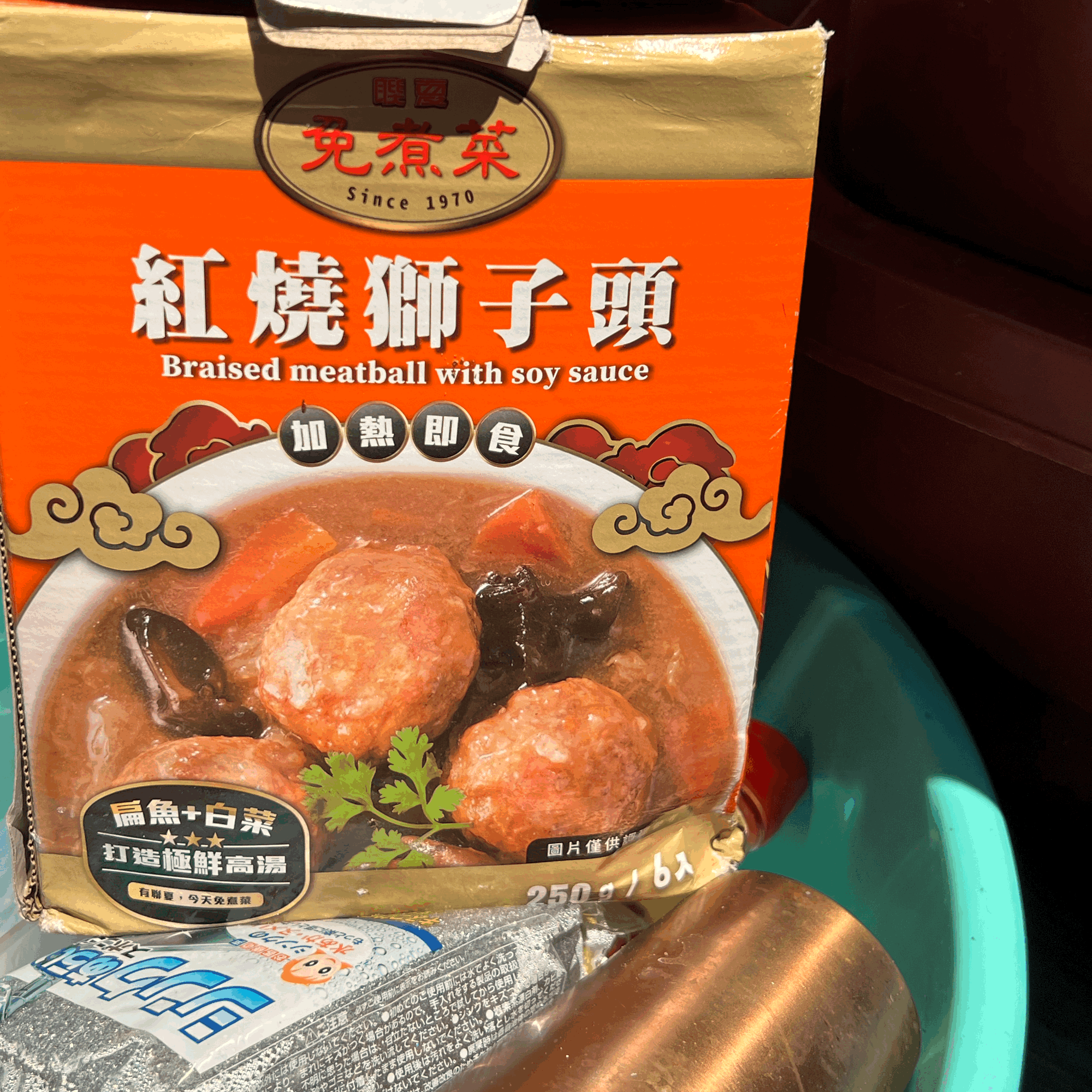
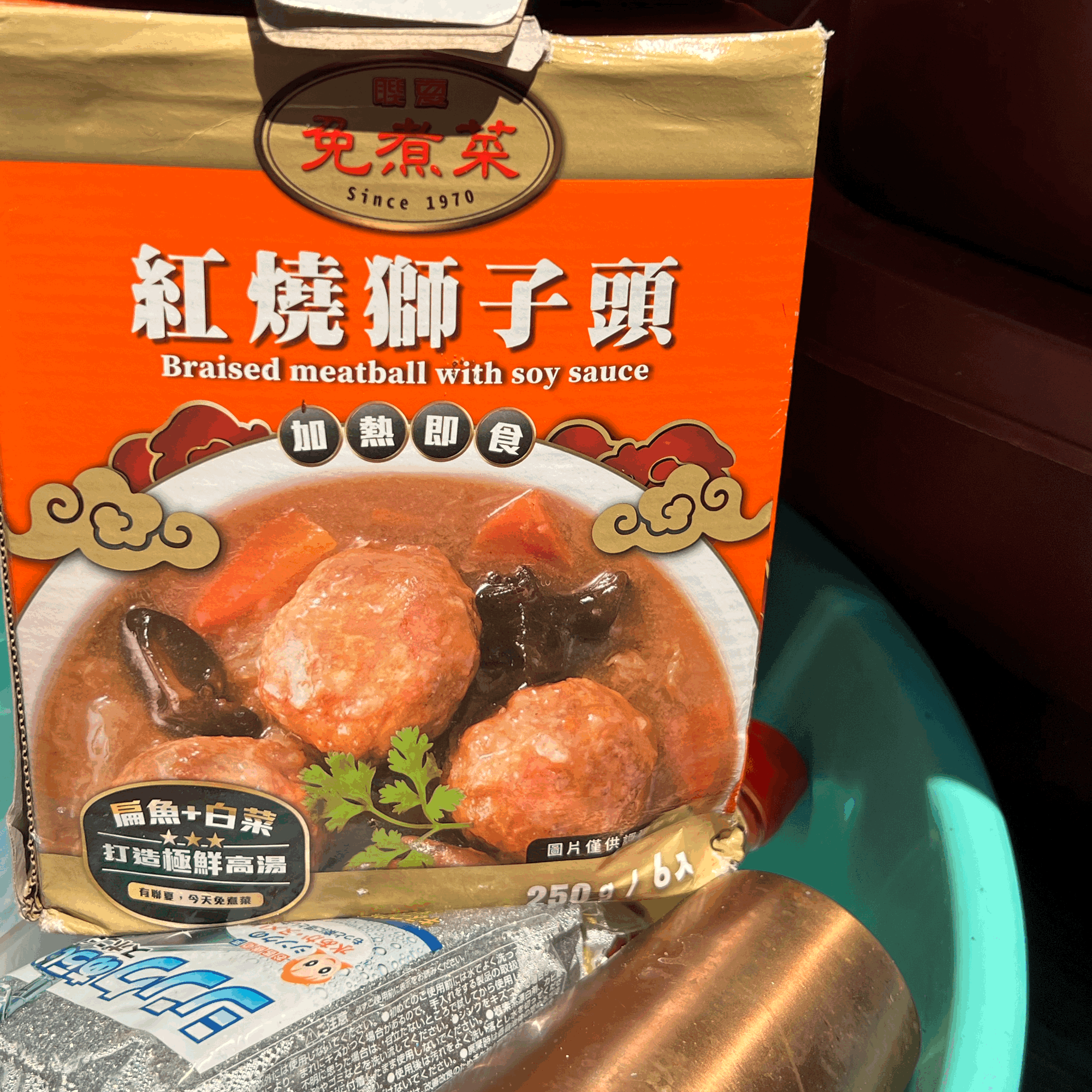
How could there be no beef noodle soup? How could there be no braised pork rice? And how could a meal not have any veggies on the side? Our Taiwanese stomachs naturally demand food that suits us.
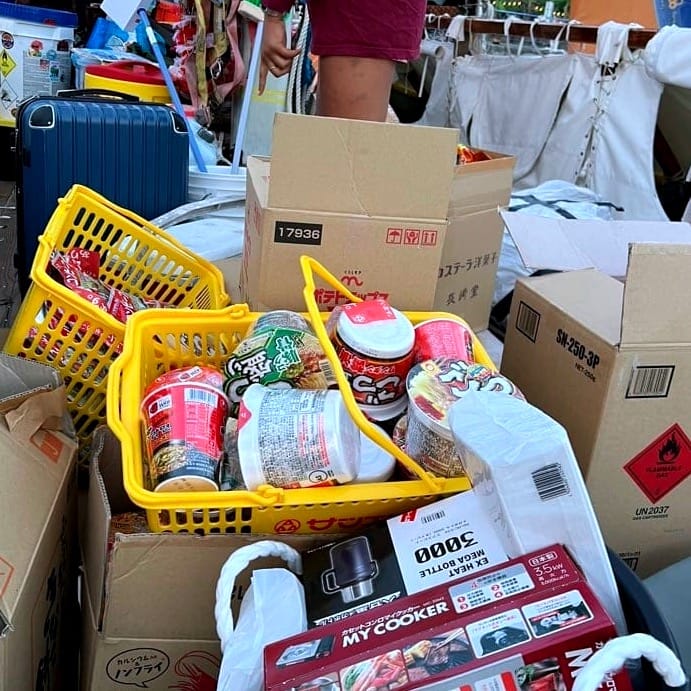
Instant meal pouches are certainly an option, as long as they carry authentic Taiwanese flavors. We can pickle cabbage—a light brine, like the Taiwanese kimchi served alongside stinky tofu. We can smoke meats, and we can pack salted duck eggs. These are our methods of food preservation, and they are things we already consume in our daily lives. Taiwan has a rich diversity of ethnic groups and culinary cultures; by drawing seafaring-friendly preservation techniques from our own local diet and pairing them with our well-developed ready-to-eat commercial meals, we should have more than enough. It will be a patchwork style—distinctly Taiwanese.
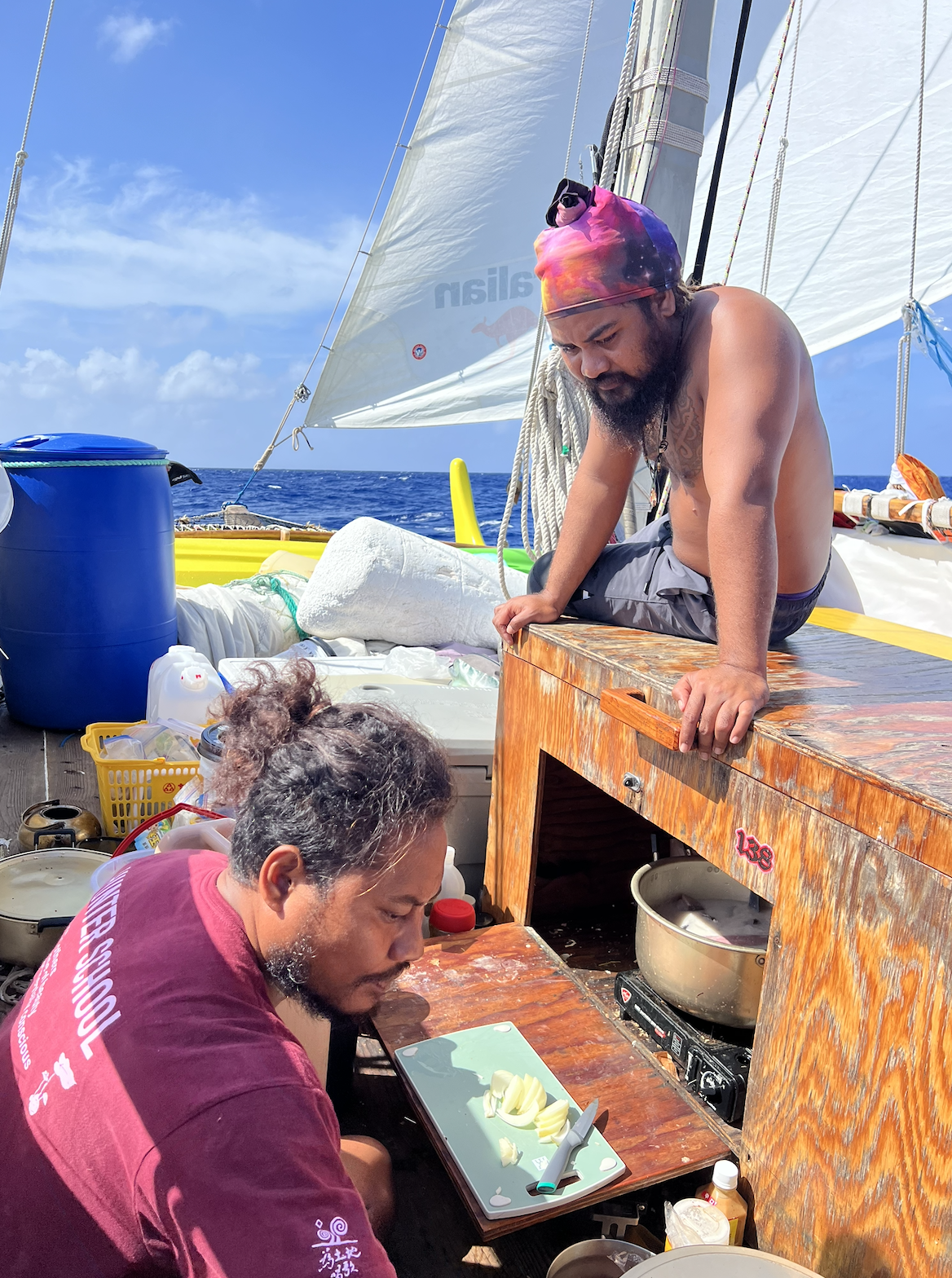
These are the wild cravings of a starving night on the deck of the Maisu, when the main food left on board was canned Spam.
 Wind Voyagers of Changbin
Post-edited by Yulun Huang (Yaya)